
Tradition Meets Tech: How Accessible Clinical Research Can Strengthen Herbal Knowledge
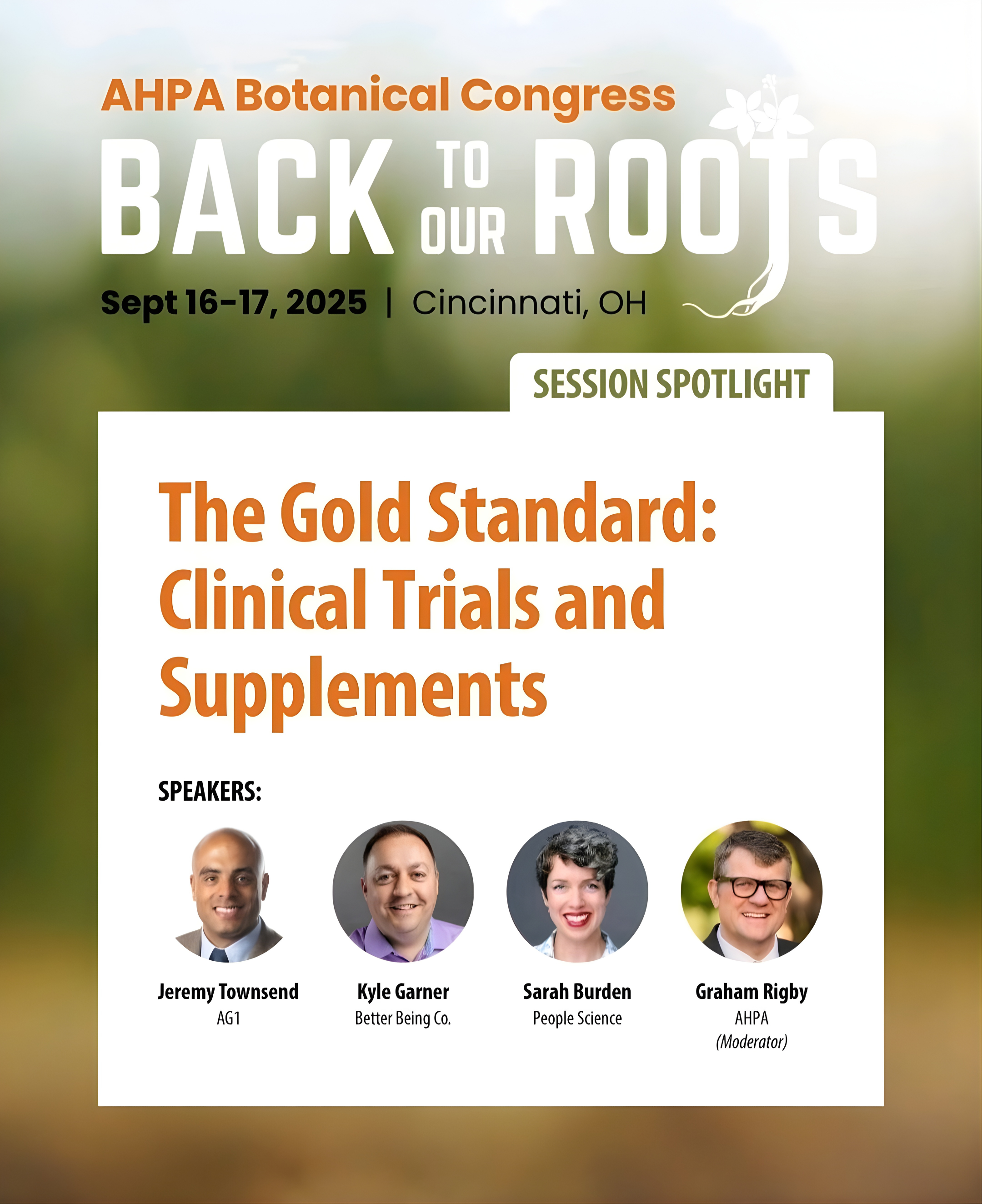
Author: Sarah Burden, Director of Sales at People Science
That’s the paradox at the heart of herbal science today. The traditions are strong. The knowledge is deep. Yet human data is still surprisingly thin.
Not because the plants don’t merit investigation, but because access to meaningful research has historically been limited.
For years, the financial, logistical, and administrative realities of clinical research placed it out of reach for small herbal companies, community practitioners, and grassroots educators, the very people who hold much of the world’s practical botanical wisdom.
That landscape is changing.
How Decentralized Research Is Reshaping Herbal Science
Decentralized clinical trials (DCTs) offer a fundamentally different way to conduct human studies, one that removes many of the barriers baked into traditional, site-based models.
By allowing participants to take part from home using secure digital tools, validated assessments, remote sample collection, and wearables, DCTs create opportunities that simply did not exist before.
For herbal studies in particular, this shift is powerful:
Lower barriers to entry make research possible for small or mission-driven organizations
Faster, broader recruitment brings in communities historically underrepresented in trials
Real-world data reflects the context in which botanicals are truly used
Flexible study designs can accommodate diverse formulations and traditions
Greater participant diversity improves the generalizability of findings
With IRB oversight, validated measures, and transparent audit trails, decentralized research can match the rigor of site-based trials while capturing far more of the lived reality of herbal use.
From Model to Practice: Enter Chloe
Of course, decentralization is more than a concept–it depends on infrastructure that makes remote research coherent, compliant, and meaningful.
This is where Chloe, People Science’s digital research platform, comes in. Chloe was designed specifically to support secure, participant-centered decentralized studies. It brings together recruitment, consent, validated digital assessments, wearable integration, messaging, and dataset generation in a single environment.
For herbal research, this kind of platform does something especially important: it allows community-led, education-driven, and practitioner-rooted studies to operate with the same methodological integrity as larger trials, without burdening the people trying to run them.
This shift makes small, exploratory, or participatory botanical studies possible in a way they never were before.
Case Study: Skullcap and a Community Approach to Evidence
A recent participatory project on Skullcap glycerite shows what this looks like in practice.
Working with the Land of Verse School of Herbal Medicine, People Science designed and ran a three-week, open-label study that blended validated questionnaires with daily self-tracking. Students—some on campus, others remote, used Chloe to log experiences, complete assessments, and stay connected throughout the study.
Chloe made it possible for the entire group to engage in the research process without geographic or logistical constraints. Students learned study design, data collection, and interpretation by actually doing the work, while the platform ensured that the study maintained structure, data integrity, and ethical oversight.
While modest in scope, the Skullcap project contributed meaningful human data to an herb with a long history but limited published research. Just as importantly, it showed how botanical education and clinical inquiry can coexist, supported by tools built for transparency, accessibility, and real-world relevance.
Looking Ahead: A More Inclusive Evidence Base
Taken together, these developments point toward a future where:
time-honored herbs have more robust human data
community practitioners and educators participate directly in generating evidence
digital tools help small organizations run rigorous, context-rich studies
clinical findings reflect cultural practice, not just lab environments
regulatory and scientific communities can consider botanical evidence with greater nuance
This future is not theoretical. It’s emerging now.
As research becomes more accessible, botanical studies can more fully reflect the communities and traditions that have always shaped them. When technology supports, not replaces, traditional knowledge, the two can strengthen each other.
And perhaps the greatest opportunity ahead is this: to build an evidence base that honors the wisdom of the past while meeting the scientific standards of the present, creating a more inclusive and informed future for herbal medicine.
Want to learn more?
If you’re curious about how decentralized clinical research can help your brand build consumer trust and differentiation, let’s connect.
Contact the People Science team to explore how Chloe and our research approach can bring your science, and your story, to life.
